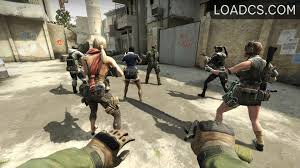

The enduring popularity of the Counter-Strike franchise serves as a masterclass in game design longevity. For over two decades, players have been drawn to the simple yet profound premise of Terrorists versus Counter-Terrorists. Many of these enthusiasts continue to download CS in its various legacy forms to experience the raw, skill-based mechanics that defined an entire generation of PC gaming. What makes this series unique is its refusal to rely on gimmicks; instead, it focuses on the purity of the ‘gunplay’ and the strategic depth of its map pool, ensuring that every match feels like a fresh challenge regardless of how many thousands of hours a player has invested.
As the gaming industry enters a new era of visual fidelity and technical sophistication, Valve has responded with a massive engine overhaul. This transition has led a massive surge in the community looking to download cs 2, the latest iteration built on the Source 2 engine. This version introduces groundbreaking features like volumetric smoke and sub-tick networking updates, which aim to refine the competitive experience for a new decade. By modernizing the technical foundations while preserving the core tactical principles, the developers have ensured that the franchise remains the gold standard for competitive first-person shooters in the modern age.
The Revolution of Volumetric Smoke
One of the most talked-about features in the current era of Counter-Strike is the introduction of volumetric smoke grenades. In previous versions, smoke was a static ‘blob’ that looked the same to everyone. Now, smoke is a dynamic 3D object that fills spaces realistically, reacts to lighting, and—most importantly—can be temporarily dissipated by bullets or HE grenades. This creates a brand-new layer of tactical depth. A player can now ‘carve’ a hole through a smoke screen with a well-placed grenade to get a glimpse of the enemy, fundamentally changing how bomb sites are executed and defended.
Sub-Tick Updates: Refining the Competitive Feel
The move away from traditional tick rates to ‘sub-tick’ updates represents a major leap in networking technology. In earlier versions of the game, the server only calculated actions at specific intervals (64 or 128 times per second). With sub-tick architecture, the server knows the exact moment a player fires a shot or jumps, making the game feel more responsive than ever. This level of precision is critical in a game where a single millisecond can be the difference between a headshot and a complete miss. It levels the playing field and ensures that the player’s skill is the only deciding factor.
Map Overhauls: Legacy Meets Modernity
The maps in Counter-Strike are more than just battlegrounds; they are iconic digital landmarks. In the latest transition, maps have been categorized into ‘Touchstone,’ ‘Upgrade,’ and ‘Overhaul.’ Touchstone maps like Dust II remain largely unchanged in layout but benefit from improved lighting. Overhaul maps, such as Italy or Overpass, have been completely rebuilt from the ground up to take full advantage of Source 2’s capabilities. This approach allows long-time players to feel at home while providing a visually stunning experience that matches the standards of modern high-budget gaming.
The Economic Strategy in Professional Play
Counter-Strike’s economy is a game of resource management that rewards foresight and team coordination. Winning or losing a round affects your budget for the next, creating a delicate balance between spending and saving. The ‘Bonus’ system for consecutive losses helps prevent one team from snowballing too hard, but it requires teams to be smart about their ‘buy’ cycles. Professional teams spend hours analyzing economic trends, deciding when to risk a ‘force buy’ with sub-optimal weapons to break an opponent’s rhythm. This strategic layer ensures that the game is as much about the mind as it is about the aim.
The Role of Skins in the Modern Ecosystem
The skin economy remains a pillar of the Counter-Strike community. From factory-new knives to battle-scarred rifle skins, these digital items have created a massive secondary market. The transition to the new engine has even improved the appearance of these items, with enhanced shaders and lighting making rare finishes like ‘Doppler’ or ‘Fade’ look better than ever. While they are purely cosmetic, skins provide a way for players to personalize their experience and support the professional scene, as a portion of the proceeds from certain items goes directly to funding Major tournament prize pools.
The Global Major Circuit and the Future
The ‘Majors’ remain the most prestigious events in the world of tactical shooters. These tournaments bring together the best teams from every region—Europe, the Americas, and Asia—to compete for the title of world champion. The stories that emerge from these events, from the rise of rookie sensations to the emotional retirements of veterans, define the history of the game. As the game moves forward into its newest chapter, the passion of the fans and the dedication of the pros ensure that Counter-Strike will continue to be a dominant force in the global esports landscape for years to come.