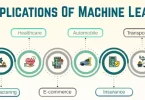

Technology is changing how we live, work, and make decisions. Among these changes, machine learning is becoming one of the most powerful tools shaping our future. It allows computers to learn from data and make smart choices without being directly told what to do.
In India, machine learning is already transforming industries like banking, healthcare, and e-commerce. With rapid growth in technology and a strong push from both private companies and the government, the scope of machine learning in India by 2030 looks promising.
Table of Contents
Let us cover all in detail!
What is Machine Learning?
Machine learning is a branch of artificial intelligence where computers learn from past data and improve their performance over time. Instead of following fixed rules, these systems find patterns in data and use them to make predictions or decisions.
For example, when you shop online and get product suggestions, or when your phone camera recognizes a face, machine learning is working in the background. In India, it is used in areas like fraud detection in banks, crop monitoring in agriculture, and medical diagnosis in hospitals.
Current State of Machine Learning in India
Right now, machine learning is no longer limited to tech companies. Businesses in almost every sector are using it to save time, cut costs, and serve customers better.
- IT and Software – Companies use ML to develop smarter apps, automate processes, and improve security.
- Healthcare – Hospitals use it to read medical scans, predict diseases, and suggest treatments.
- Finance – Banks detect fraud, assess loan applications, and analyze market trends with ML tools.
- E-commerce – Online stores recommend products, set dynamic prices, and improve customer service.
The demand for skilled professionals in this field is already high, and salaries are competitive. Many Indian startups are building machine learning-based products for both local and global markets.
Factors Driving Growth Till 2030
Several forces are working together to make machine learning a major part of India’s future:
- Digital Transformation – More companies are shifting to online platforms and need ML to handle large amounts of data.
- Government Support – Projects like Digital India and National AI Strategy are pushing adoption in public services and industries.
- Startup Ecosystem – Thousands of startups are experimenting with AI and ML, bringing fresh ideas and solutions.
- Data Availability – With more people using smartphones and the internet, there’s a huge amount of data that can be used to train ML models.
- Need for Better Decisions – Businesses and governments want to make faster, data-backed decisions, and ML helps achieve this.
Predicted Scope Of Machine Learning In India By 2030
The scope of machine learning in India by 2030 is expected to be massive. As technology becomes more advanced and affordable, ML will reach deeper into everyday life and work.
- Job Growth – Millions of new roles will open for data scientists, ML engineers, and AI specialists.
- Wider Adoption – Industries like manufacturing, agriculture, and logistics will rely on ML for automation and efficiency.
- Market Expansion – India’s AI and ML market is projected to grow rapidly, attracting both local and foreign investments.
- Innovation – More Indian companies will build homegrown ML solutions tailored to local challenges, such as language diversity and rural needs.
By 2030, machine learning will not just be a technology for experts but a regular part of how businesses and public services operate.
Key Sectors That Will Benefit the Most
By 2030, several industries in India will see big changes because of machine learning:
- Healthcare and Medical Research – ML will help doctors detect diseases earlier, develop better treatments, and speed up medical research.
- Agriculture and Smart Farming – Farmers will use ML tools to predict weather, detect crop diseases, and improve harvest quality.
- Education and Personalized Learning – Students will get study plans tailored to their needs, and teachers will track progress more effectively.
- Transportation and Smart Cities – ML will improve traffic control, reduce accidents, and help build safer, more efficient cities.
These sectors will not only grow faster but also provide better services to people across the country.
Skills Needed for Future Opportunities
To make the most of machine learning’s rise, students and professionals need to prepare with the right skills:
- Technical Skills – Learn programming languages like Python, understand ML algorithms, and work with data analysis tools.
- Mathematics and Statistics – A strong base in these subjects helps in building accurate ML models.
- Problem-Solving – The ability to find practical solutions to real-world challenges is key.
- Critical Thinking – Understanding data and making informed decisions will be in high demand.
- Communication Skills – Explaining technical work in simple words will make you more valuable in teams.
Those who combine technical knowledge with soft skills will have the best career prospects in the coming years.
Challenges to Overcome
While the future looks bright, there are some hurdles India needs to address before machine learning can reach its full potential:
- Skill Gap – There are not enough trained professionals to meet the rising demand.
- Data Privacy – Protecting personal and sensitive information is a major concern.
- Infrastructure Limits – Many rural areas still lack the internet speed and hardware needed for ML applications.
- Cost of Implementation – Small businesses may find it expensive to adopt advanced ML solutions.
- Ethical Concerns – ML must be used fairly and without bias in decision-making.
Solving these challenges will ensure that machine learning benefits everyone, not just big companies or urban areas.
How Students and Professionals Can Prepare Now
The next few years will be important for anyone who wants to build a career in machine learning. Here’s how to get ready:
- Take Relevant Courses – Learn from online platforms, universities, or training institutes.
- Work on Real Projects – Apply your skills to solve real problems, even through small personal projects.
- Do Internships – Gain hands-on experience and understand how ML works in different industries.
- Join Communities – Be part of ML and AI groups to share ideas and learn from others.
- Stay Updated – Technology changes fast, so keep learning about new tools and trends.
Starting now will give you an advantage when the demand peaks in the coming decade.
Conclusion
The scope of machine learning in India by 2030 is not just about technology growth—it’s about opportunity. From better healthcare to smarter cities, ML will touch every part of our lives. The demand for skilled professionals will keep rising, and those who prepare early will benefit the most.
If you’re a student, start learning the basics now, even if it’s just a few hours a week. If you’re already working, think about how ML can fit into your field and upgrade your skills accordingly. Don’t wait for the future to arrive—start shaping it today.
I believe that those who combine knowledge and action will rule India in the coming ten years. Machine learning is a tool, but your willingness to learn, adapt, and innovate will decide how far you go.
FAQs
Here are some of the most commonly asked questions related to the scope of machine learning in India:
1. Will machine learning replace human jobs in India by 2030?
No, it won’t fully replace human jobs. Machine learning will automate some tasks but also create new roles that need human skills. People will work alongside ML systems to make better decisions. Jobs may change, but they won’t disappear entirely. The key is learning skills that match future needs.
2. Do I need a coding background to start in machine learning?
It helps, but it’s not always required at the start. You can first learn the basics of ML concepts without coding. Later, learning languages like Python will open more career options. Many free and paid courses guide beginners step-by-step. The important thing is to start learning now.
3. Which industries in India will hire the most ML professionals by 2030?
Sectors like healthcare, IT, e-commerce, finance, and agriculture will be the biggest employers. These fields already use ML, and the demand will grow. Government projects and smart city programs will also need ML experts. Even small businesses will look for ML-based solutions. The opportunities will be spread across many sectors.
4. Is machine learning a good career choice for fresh graduates?
Yes, it’s one of the fastest-growing career paths. Companies want fresh talent with updated skills in ML and data science. Starting early will give you an edge over others. There are many entry-level roles for beginners who can work on data and basic ML models. The career scope is strong for the next decade.
5. How much can a machine learning professional earn in India by 2030?
Salaries will depend on skills, experience, and the industry. Even today, ML professionals earn more than many other tech roles. By 2030, the pay is expected to be much higher due to demand. Specialized skills like deep learning and natural language processing can bring premium salaries. Continuous learning will help you earn more.
6. Can people from non-technical backgrounds enter the ML field?
Yes, it’s possible with the right training. Many roles in ML need domain knowledge, creativity, and problem-solving, not just coding. You can start by learning basic ML tools and understanding data. Later, you can pick up technical skills step-by-step. Your background can actually give you an advantage in certain industries.
7. What’s the difference between AI and machine learning?
AI is a broad field where machines are designed to think and act like humans. Machine learning is a part of AI that focuses on teaching machines to learn from data. In simple words, all ML is AI, but not all AI is ML. ML is like a tool inside the bigger AI toolbox. This is why both terms are often used together.